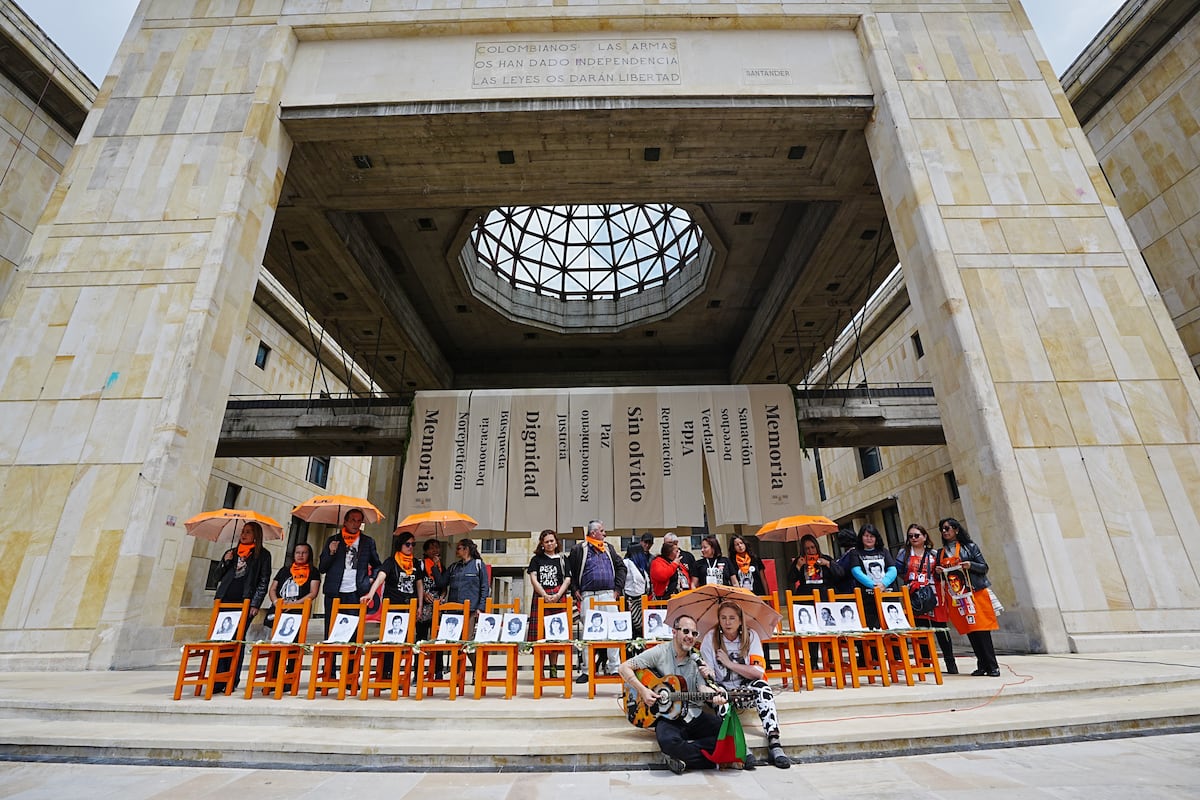
The Palace of Justice Siege: A Defining Moment in Colombia's Conflict
On November 6, 1985, Colombia was plunged into one of its most harrowing episodes of internal conflict, forever etching the
Palace of Justice siege into the nation's collective memory. This audacious armed assault, launched by the leftist M-19 guerrilla group against the very heart of Colombian democracy – the Supreme Court of Justice in Bogotá – unfolded into a tragic 28-hour ordeal. The event, characterized by its intense combat, significant loss of life, and enduring controversies, stands as a stark reminder of the complexities and brutality of Colombia's long-running war. Understanding this critical moment requires delving into the motivations of the M-19, the government's fraught response, and the broader context of a nation grappling with insurgency, narcotrafficking, and a desperate search for peace.
M-19's Bold Move: The Assault on Justice
The 19th of April Movement, or M-19, was distinct among Colombia's guerrilla forces. Unlike rural-based groups like FARC or ELN, M-19 specialized in high-visibility urban actions designed to challenge state legitimacy and capture public attention. Their decision to target the Palace of Justice was a meticulously planned, highly symbolic act. Approximately 35 M-19 combatants stormed the building, quickly seizing control and taking over 300 hostages, including Supreme Court justices and ordinary civilians.
Their stated intent was clear: to conduct a "public trial" against President Belisario Betancur's administration. This trial aimed to expose what M-19 perceived as the government's failures in handling crucial peace negotiations and its controversial extradition policies, particularly concerning drug traffickers. In the escalating conflict of the 1980s, the Betancur government had made efforts towards peace, securing a ceasefire with FARC in 1984. However, these truces were fragile, often marred by mutual accusations of violations and a deep-seated mistrust. M-19 felt excluded and betrayed by certain aspects of these peace processes, and the extradition treaty with the United States – a potent symbol of perceived foreign intervention and a threat to powerful drug cartels – became a significant point of contention. The *palace sieg* was thus intended not just as a military operation, but as a dramatic political statement.
The Military Response and Tragic Aftermath
The Colombian military's response was swift and overwhelming. Elite units from the 13th Brigade were deployed to retake the Palace. What followed was nearly 28 hours of brutal, intense combat. Eyewitness accounts and subsequent investigations describe a scene of chaos and destruction, with relentless gunfire and fires engulfing much of the building. The battle was fought floor by floor, often in close quarters, highlighting the desperation on both sides.
When the smoke cleared, the scale of the tragedy was horrifying. Over 100 people lay dead. This grim tally included:
- 11 of the 25 Supreme Court justices present, representing a devastating blow to the nation's judiciary.
- Nearly all of the M-19 combatants involved in the assault.
- Numerous military personnel and innocent civilians caught in the crossfire.
The building itself was largely destroyed, a physical manifestation of the violence that had consumed it. The profound human cost of the *palace sieg* marked it as one of the bloodiest episodes in Colombia's protracted internal conflict, leaving an indelible scar on the nation's psyche and raising immediate questions about the proportionality of the state's response. For a deeper dive into the tragic outcomes and their impact, you can read more at
Colombia's Palace of Justice Siege: A Bloody Legacy Unpacked.
Unpacking the Controversies: A Legacy of Unanswered Questions
Even decades later, the
Palace of Justice siege remains shrouded in controversy and unresolved questions. The military's counteroffensive, while ultimately successful in recapturing the building, immediately sparked intense debates. Critics argued that the response was disproportionate, prioritizing military victory over the lives of the hostages. Allegations of extrajudicial executions and forced disappearances of individuals — both M-19 members and suspected collaborators — emerged in the aftermath, fueling claims of state cover-ups and a deliberate effort to erase uncomfortable truths.
One of the most troubling aspects involves the fate of several people who were seen alive being escorted out of the Palace by security forces but were never seen again. The agonizing search by their families for answers became a symbol of the broader struggle for truth and justice in Colombia. These allegations have led to lengthy legal battles and international scrutiny, with some military officers eventually facing convictions, though the full extent of accountability remains a contentious issue. The siege exposed deep flaws in the chain of command, the handling of intelligence, and the ethical considerations during such high-stakes operations. The persistent demand for truth and justice for the victims and their families continues to resonate, serving as a critical reminder of the importance of human rights even amidst conflict. The ongoing debate about the state's actions is explored further in
Palace of Justice Siege: Debating Colombia's Military Response.
The Siege in Context: Colombia's Broader Conflict
The *palace sieg* was not an isolated event but a tragic crescendo in Colombia's internal armed conflict, which had been escalating since the mid-1960s. The 1980s witnessed a particularly brutal phase, characterized by:
* **Expanded Guerrilla Operations:** Leftist groups like FARC, ELN, EPL, and M-19 controlled vast rural enclaves and urban networks. They financed their campaigns against perceived oligarchic rule and U.S.-influenced capitalism through a range of illicit activities, including ambushes, bombings, kidnappings for ransom, and extortion of landowners and emerging drug producers. FARC, with thousands of fighters, focused on rural taxation and territorial expansion, while ELN targeted oil pipelines. M-19, as seen in the *palace sieg*, preferred high-impact urban actions.
* **State Counterinsurgency Efforts:** Successive governments, under Presidents Julio César Turbay (1978–1982) and Belisario Betancur (1982–1986), struggled to contain the insurgency, combining military offensives with sporadic peace overtures.
* **The Intertwining of Insurgency and Narcotrafficking:** The 1980s also marked the terrifying rise of powerful drug cartels, most notably the Medellín Cartel led by Pablo Escobar. These cartels often financed paramilitary groups or even forged tactical alliances with some guerrilla factions (or fought against others), further complicating the conflict landscape. The M-19's focus on extradition policies in the Palace of Justice assault highlights the deep influence of narcotrafficking on national politics.
* **Fragile Peace and Betrayal:** Betancur's administration secured a 1984 ceasefire with FARC, leading to the creation of the Patriotic Union (UP), a political arm that managed to gain congressional seats. However, this promising truce tragically unraveled amid mutual accusations of violations. What followed was a systematic extermination campaign against UP members, with over 3,000 assassinations between 1984 and 2002, many attributed to security forces, paramilitaries, and drug cartels. This brutal crackdown effectively deterred demobilization and deepened the cycle of violence.
* **Rise of Paramilitarism:** In response to guerrilla kidnappings and extortion, self-defense groups, such as Muerte a Secuestradores (MAS), formed in 1981 by cattle ranchers and often supported by drug traffickers and elements within the state, began to emerge, adding another layer of extreme violence to the conflict.
The *palace sieg* thus serves as a grim microcosm of a nation caught in a maelstrom of political grievances, military might, criminal influence, and a yearning for an elusive peace.
Conclusion: A Sobering Reflection on Justice and Peace
The
Palace of Justice siege remains a raw wound in Colombian history, a powerful symbol of the extreme violence that plagued the nation for decades. It underscores the profound challenges of resolving deeply rooted conflicts, the devastating consequences of resorting to force, and the intricate web of actors involved in a complex civil war. The event's legacy continues to shape Colombia's legal frameworks, its pursuit of transitional justice, and its ongoing efforts towards national reconciliation. For future generations, it serves as a crucial case study on the importance of robust democratic institutions, the critical need for transparent accountability, and the absolute imperative of prioritizing human life and the rule of law, even in the most dire of circumstances. The search for truth and justice, despite the passage of time, remains a vital pathway for Colombia to heal from its past and build a more peaceful future.